Powell River Top General Contractor for Residential Construction
Powell River Top General Contractor for Residential Construction
Blog Article
General Contractor: Your Indispensable Partner for Household Projects
A general contractor holds an indispensable position in building projects. They handle numerous facets of building operations, ensuring that all work proceeds without incident. Their command of building codes and guidelines permits them to address the complexities of authorizations and inspections. This expert serves as an important link between homeowners and trade contractors. Still, many homeowners remain confused about the full scope of their offerings. Understanding these points can greatly impact the success of any home renovation project.
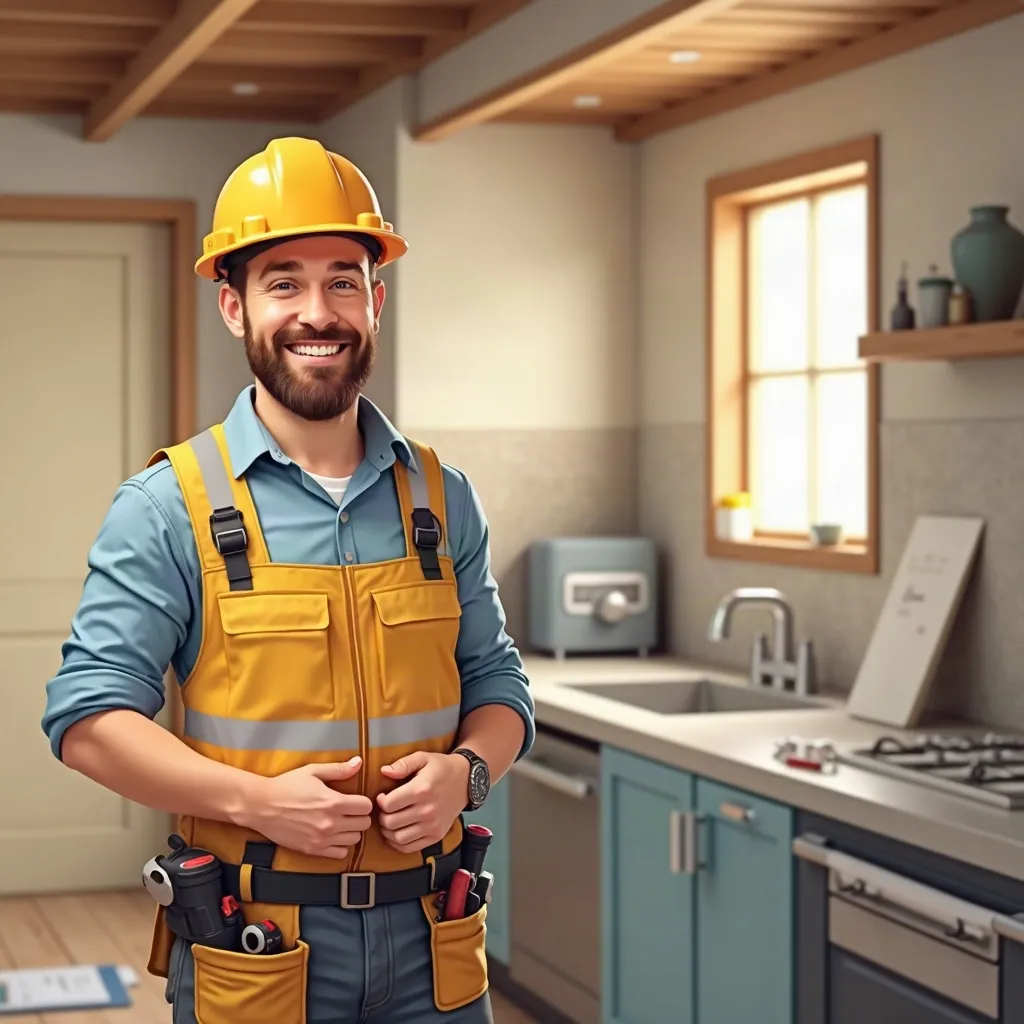
What Does a General Contractor Do?
A general contractor manages the various elements of a construction project, ensuring that everything runs smoothly from initiation to completion. They serve as the primary point of contact, managing dialogue between clients, trade contractors, and suppliers. This responsibility involves planning the project timeline, supervising crew members, and ensuring compliance with local building codes and standards.
General contractors are responsible for obtaining necessary permits and scheduling inspections, which are vital for maintaining safety and quality standards. They also handle budgeting, sourcing materials, and managing on-site activities to mitigate any potential delays or issues. In addition, they supervise subcontractors, making sure that each phase of construction aligns with project specifications and timelines. Overall, a general contractor's expertise and organizational skills are crucial for completing a successful construction project, turning a client's vision into reality while balancing multiple tasks and responsibilities.
Retaining a a professional builder for home renovations provides numerous advantages that can greatly boost the quality and efficiency of the work. Professional contractors bring expertise in managing projects, ensuring that schedules are kept and funds are distributed efficiently. Their established connections with subcontractors can lead to superior pricing and excellent craftsmanship, which finally helps property owners regarding both time and money.
Additionally, general contractors manage the detailed aspects of documentation and quality checks, curbing potential legal issues. They also establish a single point of contact, simplifying exchanges and synchronization among various trades. This efficiency diminishes the likelihood of misunderstandings and delays.
In addition, their experience enables them to recognize potential challenges, facilitating timely interventions to maintain the project on track. By hiring a general contractor, homeowners can devote attention to their vision while savoring peace of mind, confident that a professional is overseeing every aspect of the renovation.
Debunking Myths About Construction Contractors
While many property owners may believe false notions about contracting experts, understanding the realities can result in more sound decisions. One popular myth is that hiring a general contractor is unnecessary for minor projects; nevertheless, their know-how can streamline even minor renovations, guaranteeing compliance with local codes. Another widespread belief is that general contractors are merely middlemen, but they frequently have in-depth knowledge in various trades, enabling them to coordinate projects competently. Additionally, some homeowners believe that working with a contractor will notably increase costs. In fact, a skilled general contractor can often negotiate better pricing for materials and labor due to established relationships with vendors and subcontractors. Lastly, many consider that general contractors are unyielding, but reputable contractors value client communication and collaborate closely to address specific needs. Resolved myths can empower homeowners to capitalize on the true value of contractors in achieving productive home projects.
Finding the Perfect General Contractor?
How can property owners ensure they select the right construction professional for their undertakings? The approach starts with thorough find the facts research. Property owners should seek recommendations from friends, family, or online reviews to locate potential candidates. Once a compilation is assembled, confirming credentials, such as licensing, bonding, and insurance, is vital to verify credibility.
Next, homeowners should request and review portfolios of past projects, focusing on assignments of comparable size. Scheduling meetings allows property owners to gauge compatibility, covering schedules, costs, and requirements. It's also advisable to get several estimates for comparison, offering a clear understanding of expenses.
Examining references provides insight into a contractor's dependability and expertise. Ultimately, relying on your gut feeling is crucial; an opening discussion can expose a contractor's communication style and approach. By adhering to these guidelines, homeowners can markedly increase their likelihood of picking a general contractor who matches their objectives and goals.
Optimal Communication Approaches Partnering Alongside Your General Contractor
What strategies can homeowners utilize to ensure clear exchanges with their general contractor? Initiating transparent discussion from the inception is essential. Homeowners should plainly communicate their desires, project aims, and spending restrictions during preliminary talks. Frequent communications can be enabled through scheduled meetings, making certain that both parties remain synchronized throughout the project.
Leveraging documentation records, like emails or project logs, reinforces spoken arrangements and reduces misunderstandings. Homeowners should equally encourage transparent communication by soliciting responses and inquiries from the contractor, fostering a cooperative environment.
Moreover, employing digital tools, including project management apps, can improve communication by providing a unified system for exchanging updates, timelines, and changes. Finally, being courteous and accessible can enhance rapport, making it simpler for the contractor to communicate challenges or suggestions effectively. By employing these strategies, homeowners can develop a productive and transparent relationship with their general contractor.
What to Anticipate When Your Project Begins?
Once the initiative kicks off, homeowners can prepare for a surge of activity on-site. The prime contractor will coordinate teams of skilled tradespeople, including electricians, plumbers, and carpenters, who will commence their duties following the established timeline. Homeowners may see heavy machinery and materials being moved in, establishing a bustling atmosphere.
Communication remains vital during this phase. The contractor will provide updates on advancement and handle any concerns that occur. Homeowners should prepare for potential disruptions, such as sound and limited entry to specific areas of the home.
Safety measures will be in place to defend both workers and residents, confirming a secure space. Additionally, homeowners may be encouraged to maintain flexibility, as unexpected circumstances can arise, compelling adjustments to the original plan. Overall, this initial phase creates the conditions for the successful completion of the project, and active commitment is essential.
Critical Questions for Your General Contractor Deal?
Selecting the appropriate topics to pose when finalizing a general contractor agreement is vital for ensuring a problem-free project. Homeowners should inquire about the contractor's license and coverage to establish their background and protection against obligations. Understanding the project schedule and milestones is vital; therefore, asking about estimated completion dates helps maintain expectations.
It is also necessary to articulate payment terms, such as deposit amounts and payment schedules, to forestall misconceptions. Home purchasers should procure a granular analysis of costs, highlighting materials and skilled work, to copyright transparency. Concurrently, engaging in discussion about the system for addressing changes or surprise difficulties can eliminate disagreements subsequently.
Finally, property owners should gather details about subcontractors and their credentials, as well as the communication plan of the contractor throughout the project. By examining these matters, property owners can create a strong partnership with their main contractor, ultimately producing a successful home project.
Common Inquiries Posed Often
In What Fashion Do General Contractors Request Payment for Their Services?
Contractors generally collect fees via flat fees, hourly pricing, or a share of the complete project budget. Their rates may also include resources, workforce costs, and overhead, relative to the project's complexity and scope.
Can a General Contractor Assist With Permits and Inspections?
Yes, a construction professional can aid in securing permits and conducting inspections oversight. They generally navigate local regulations and maintain compliance, simplifying the workflow for homeowners while providing necessary approvals throughout the construction project.
What Certifications Should I Consider in a General Contractor?
When designating a general contractor, one should analyze professional attributes such as current licensing, insurance, history with related undertakings, positive references, and effective communication skills, confirming they retain the necessary expertise to manage the project as planned.
How Much Time Does a Common Home Renovation Job Take?
A everyday home renovation work can extend anywhere from a few weeks to several months, influenced by the scope, difficulty, and size of the project, as well as the stock of materials and labor.
What Transpires if My Assignment Exceeds Financial Limits?
If a project exceeds the budget, the contractor usually talks through the reasons and options with the homeowner. Adjustments may consist of reducing scope, obtaining more funds, or revising the project scope to match budget constraints.
Report this page